Optical Comparator Profile Projector About
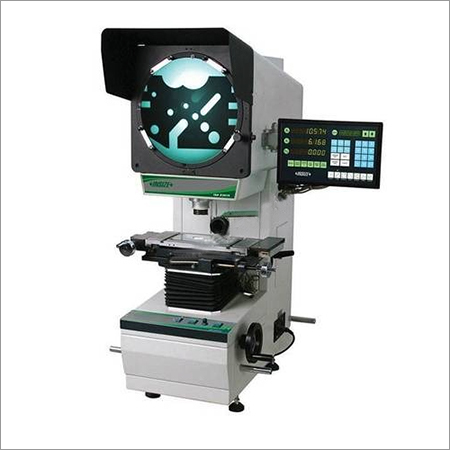
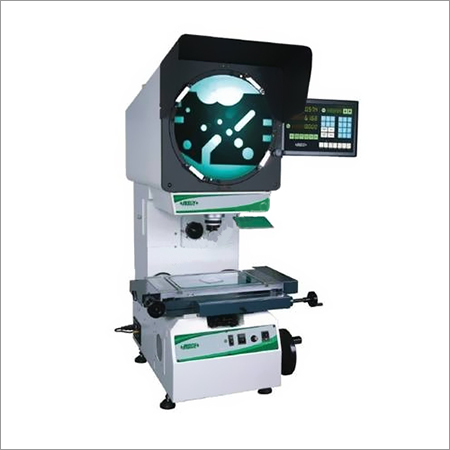
Equipped with all the facilities, we are successfully supplying a wide stock of Optical Comparator Profile Projector. This projector is widely used in industries for visual inspection, machine vision, image analysis, general defect detection and metrology. The Optical Comparator Profile Projector is specifically engineered in accordance with industry standards using premium grade components.
Features:
- Automatic operation
- Requires less power
- User friendly functions
Precise Profile and Dimensional AnalysisEngineered for high accuracy and repeatability, this optical comparator profile projector delivers precision measurements for both profiles and dimensions. Its frosted glass screen with engraved grid lines and high-contrast illumination system make it suitable for analyzing intricate specimen details, ideal for quality assurance and research labs.
Flexible and Easy-to-Use Measurement SystemFeaturing interchangeable objective lenses (10x, 20x, 50x), manual test operation, and a quick change turret, this profile projector adapts efficiently to various measurement requirements. The intuitive rotary switch/manual controls, smooth focusing, and selectable illumination modes optimize user experience and versatility during inspection tasks.
Data Output and Optional UpgradesAnalog display comes standard, with a digital output option (RS-232 port) for advanced data recording. An optional camera attachment is available for documentation or remote viewing. These features allow users to integrate the projector into digital inspection workflows seamlessly, supporting both manual and digital interface operations.
FAQs of Optical Comparator Profile Projector:
Q: How does the interchangeable lens feature benefit measurement tasks on this profile projector?
A: The quick-change turret allows users to easily switch between 10x, 20x, and 50x magnification lenses, enabling precise adaptation to different specimen sizes and detail requirements, enhancing flexibility across measurement applications.
Q: What is the process for measuring profiles and dimensions using the projector?
A: To measure, place your specimen on the worktable (up to 100 mm), adjust using the manual rack and pinion focusing mechanism, select suitable lens/magnification, configure illumination mode, and read measurements on the frosted glass screen with engraved grid lines or via the digital micrometer (optional).
Q: When is it recommended to use the surface illumination versus profile illumination?
A: Surface illumination is preferred for observing flat, detailed features, while profile illumination is best for capturing edges and outlines. Selectable modes allow users to achieve optimal visibility depending on the measurement task at hand.
Q: Where can the optical comparator profile projector be effectively utilized?
A: This equipment is ideal for use in industrial inspection, quality assurance, or research laboratories. Its benchtop design and robust construction make it suitable for distributor, exporter, importer, supplier, trader, or wholesaler environments, particularly in India.
Q: What are the main benefits of using frosted glass with engraved grid lines on the screen?
A: Frosted glass provides superior contrast for projection, while engraved grid lines allow for accurate reference during measurement, helping users easily align and assess profile and dimensional attributes with precision.
Q: Is digital data output available for recorded measurements, and how is it accessed?
A: Yes, an RS-232 port is available on digital models, allowing instant transfer of measurement data to external devices or systems for documentation, analysis, and integration into digital inspection workflows.
Q: How does the manual control mode improve the accuracy and repeatability of measurements?
A: Manual adjustment through a rotary switch and rack-pinion focusing mechanism provides fine, responsive control for positioning and measuring, allowing operators to achieve consistent precision across specimens and repeat measurement tasks efficiently.

 Send Inquiry



 Send Inquiry

 Send Inquiry


