
Call:
 Send Inquiry
As an Authorized dealer we are engaged in providing the broad assortment of "NDT Instrument" for various applications.
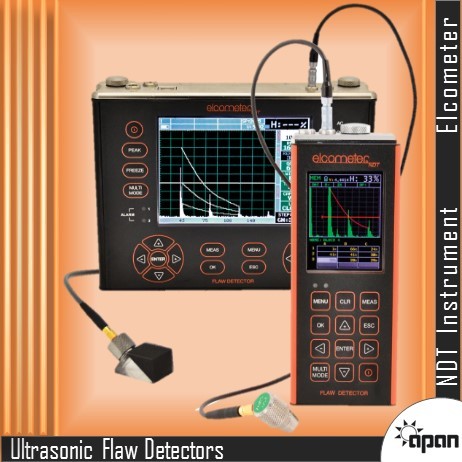
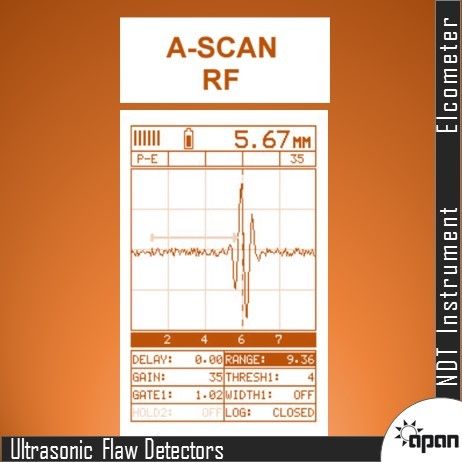
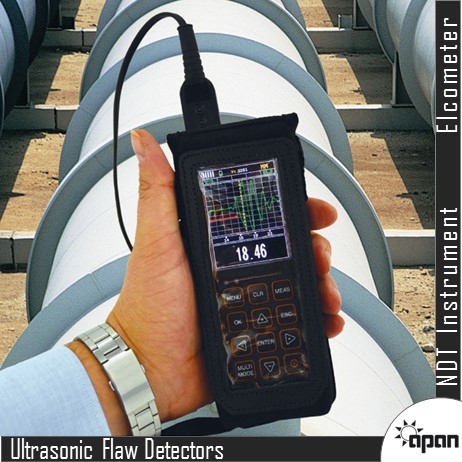
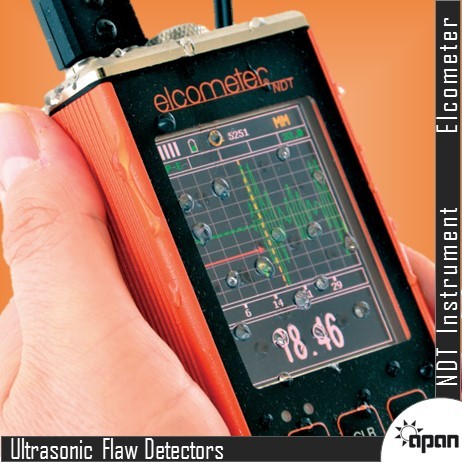
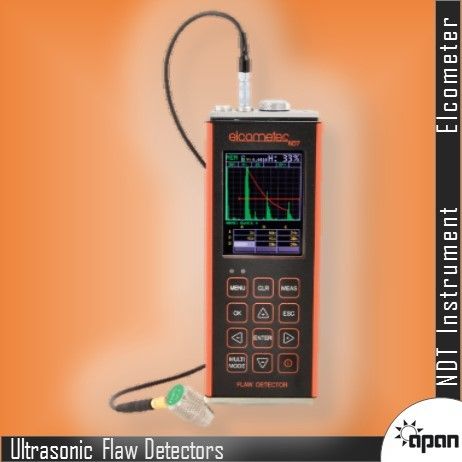
These powerful bench top & hand-held mini flaw detectors combine state of-the-art flaw detection with advanced ultrasonic material thickness capabilities.
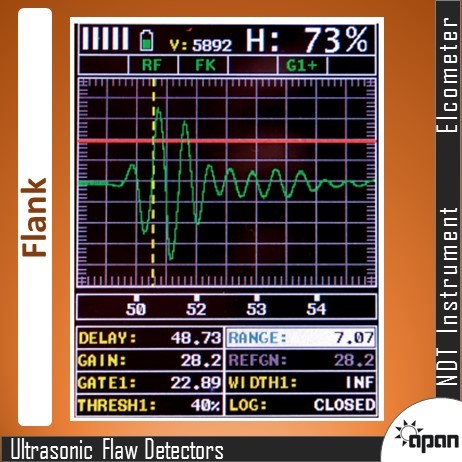
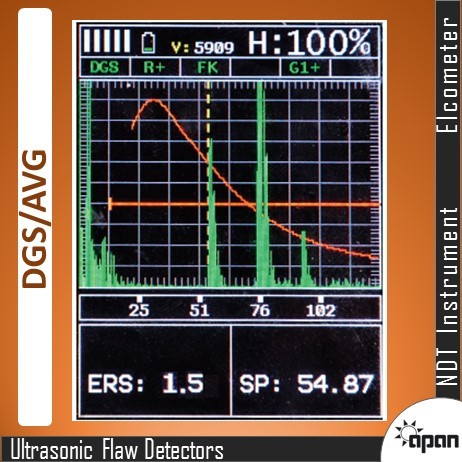
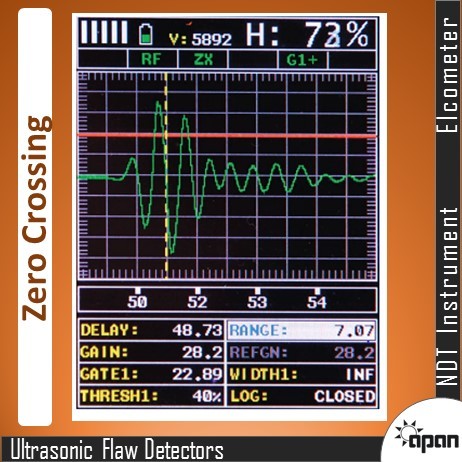
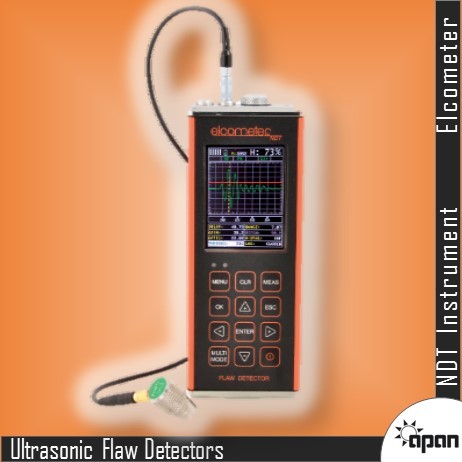
The Elcometer FD700 and FD800 range, when in flaw detection mode, offers a variety of tool kits which enable fast and accurate flaw detection, ideal for weld inspection, forgings or composite material testing.
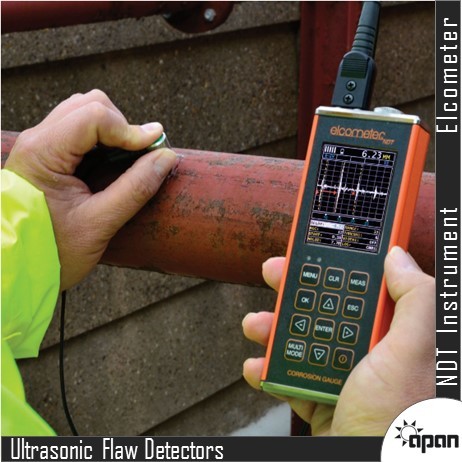
The FD700 series are a combined corrosion gauge and flaw detector that measures with extreme versatility.
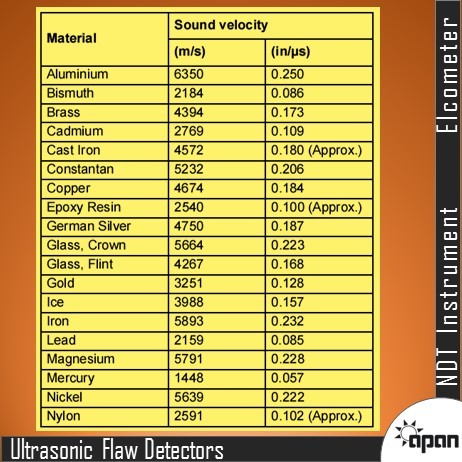
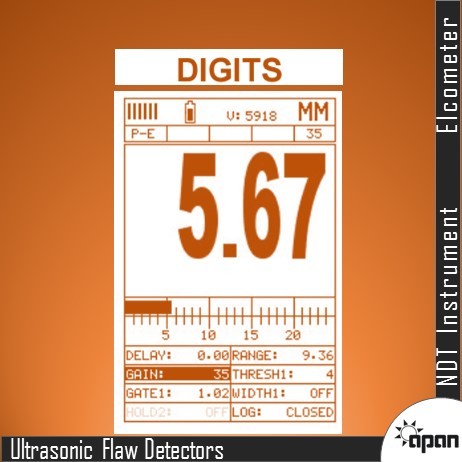
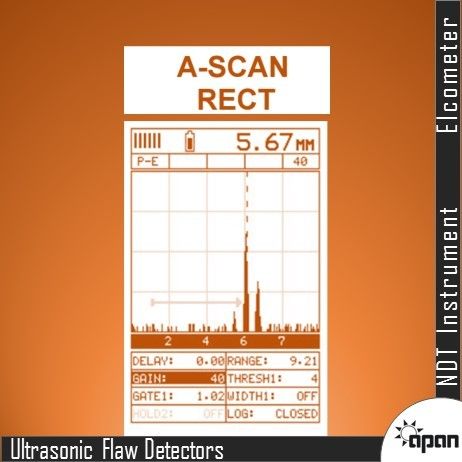
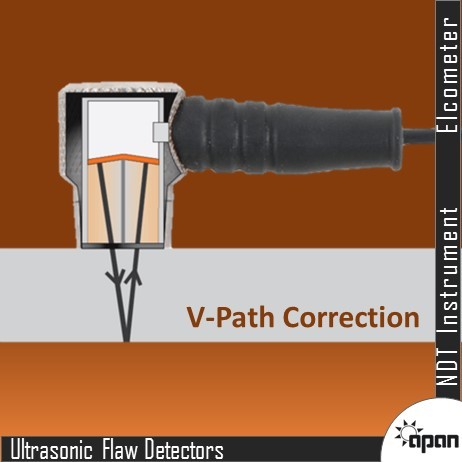
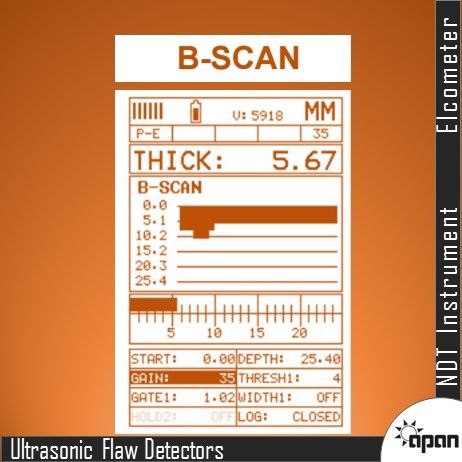
When the GAUGE function is set to THICKNESS GAUGE, the FD700 series becomes a Corrosion Gauge which has the ability to measure coatings and material thickness simultaneously while maintaining the ability to locate pits, flaws and defects in the material. Based on the same operating principles as SONAR, the FD700 series are capable of measuring the thickness of various materials with accuracy as high as +/- 1% or +/- 0.1 millimetres (+/- 0.005 inches) whichever is the greater.
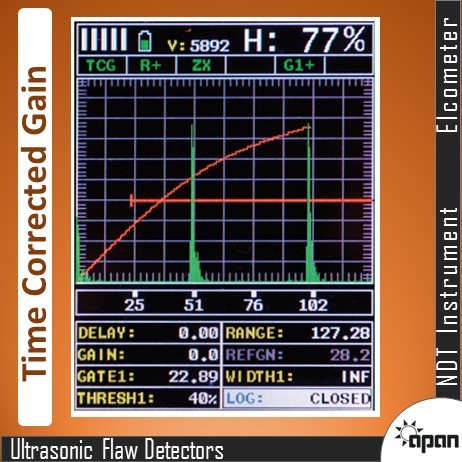
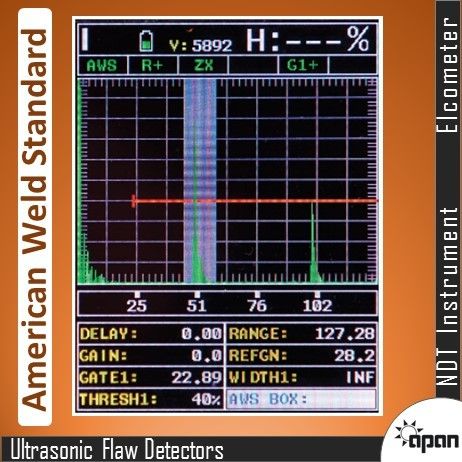
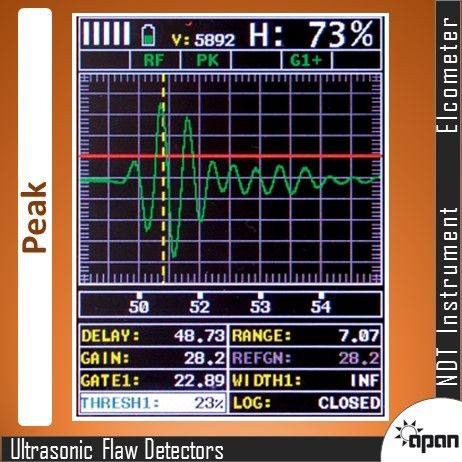
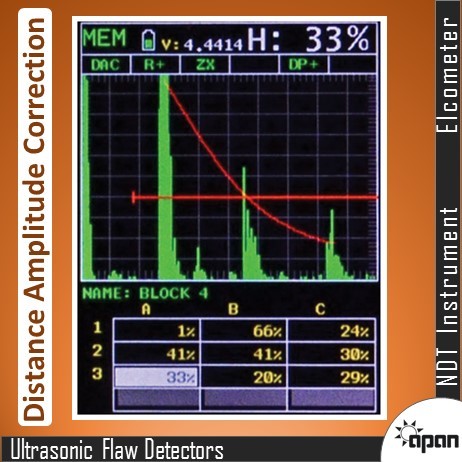
When the GAUGE function is set to FLAW DETECTOR, the gauges become a Flaw Detector which have the ability to detect the size and position of flaws and to differentiate between flaw types in various materials and welded joints.
FEATURES :
The principal advantage of ultrasonic thickness measurement over traditional methods is that ultrasonic measurements can be performed with access to only one side of the material being measured. The gauges include a data-logging (memory) facility which allows readings and waveforms to be stored in batches before being downloaded to a computer.

Price:
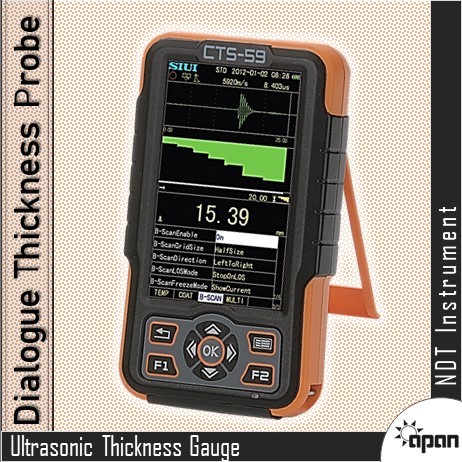
Usage : Pipe and Plate Thickness Monitoring
Mounting Type : Handheld
Features : Portable, Lightweight, High Precision, Auto Power Off
Measuring Range : 1.2 to 225 mm
Automation Grade : Manual
Humidity : 85% RH
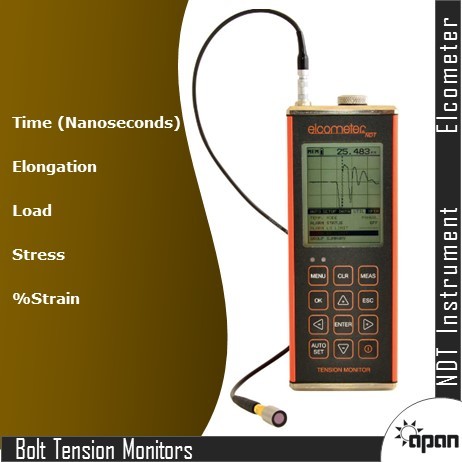
Usage : Bolt tension measurement
Mounting Type : Handheld
Features : Portable, High Accuracy, Data Logging
Measuring Range : 0100 kN
Automation Grade : Automatic
Humidity : 2085% RH
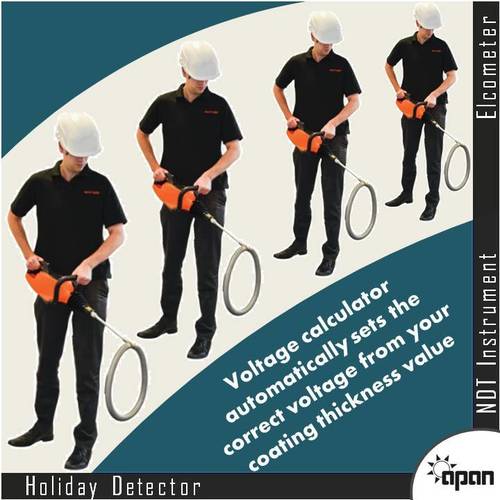
Usage : Coating inspection; pipeline and tank lining testing
Mounting Type : Handheld
Features : Audible and visual alarms; adjustable pulse voltage; high voltage safety feature; external electrode compatibility
Measuring Range : 0.5 kV to 30 kV
Automation Grade : Manual
Humidity : Up to 95% RH noncondensing
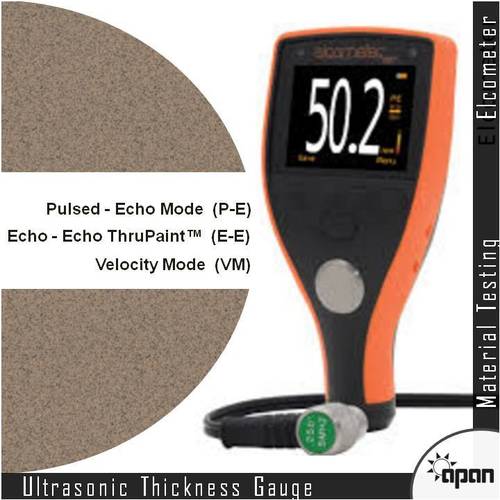
Usage : Nondestructive thickness measurement
Mounting Type : Handheld
Features : Auto shutdown, Low battery indication, Lightweight & portable, Data hold
Measuring Range : 1.0 mm to 199.9 mm
Automation Grade : Manual
Humidity : <85% RH
GST : 24AKYPB1970A1ZE


 Send Inquiry

 Send Inquiry


