
Call:
 Send Inquiry
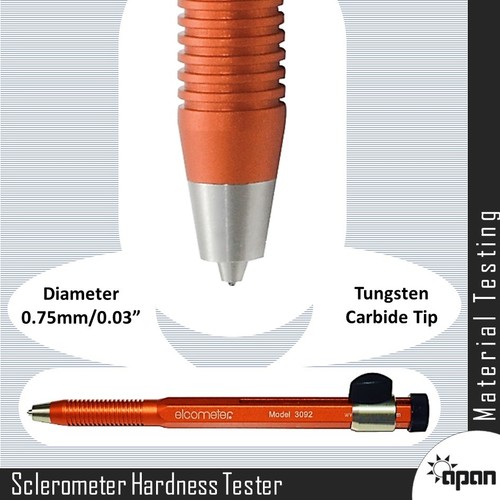
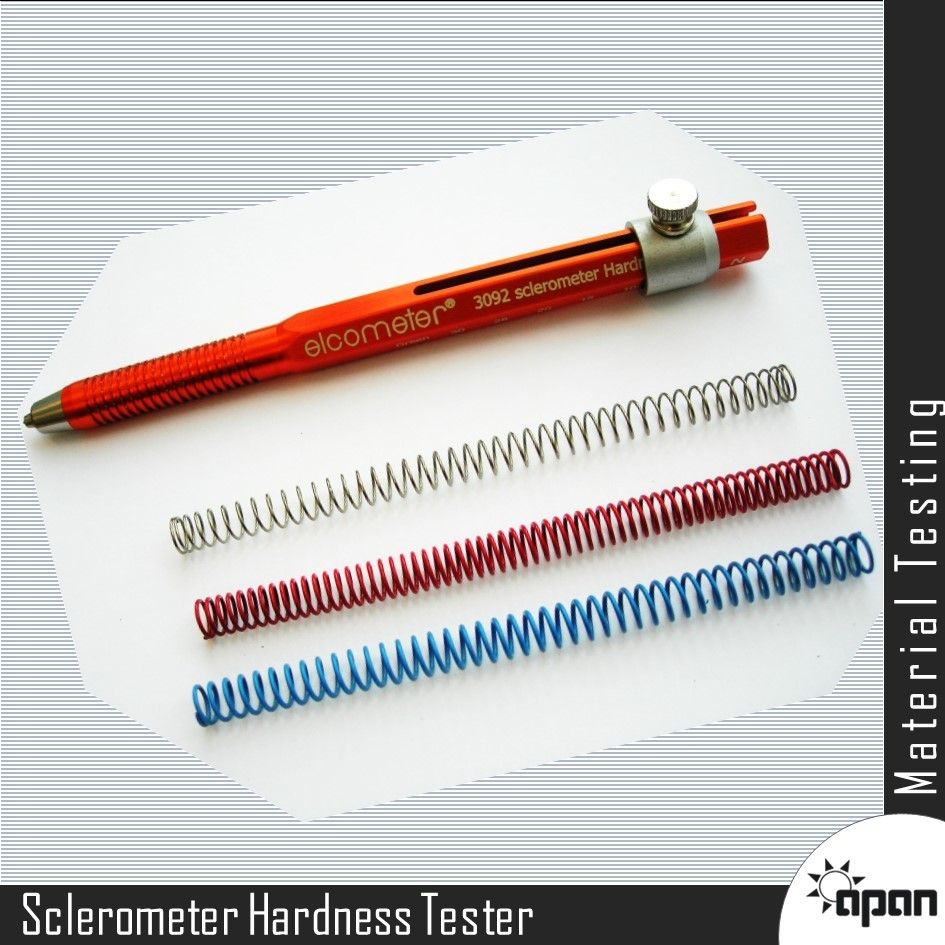
The Elcometer 3092 Sclerometer Hardness Tester is a simple but effective gauge for determining the hardness of a large variety of coatings and surfaces.
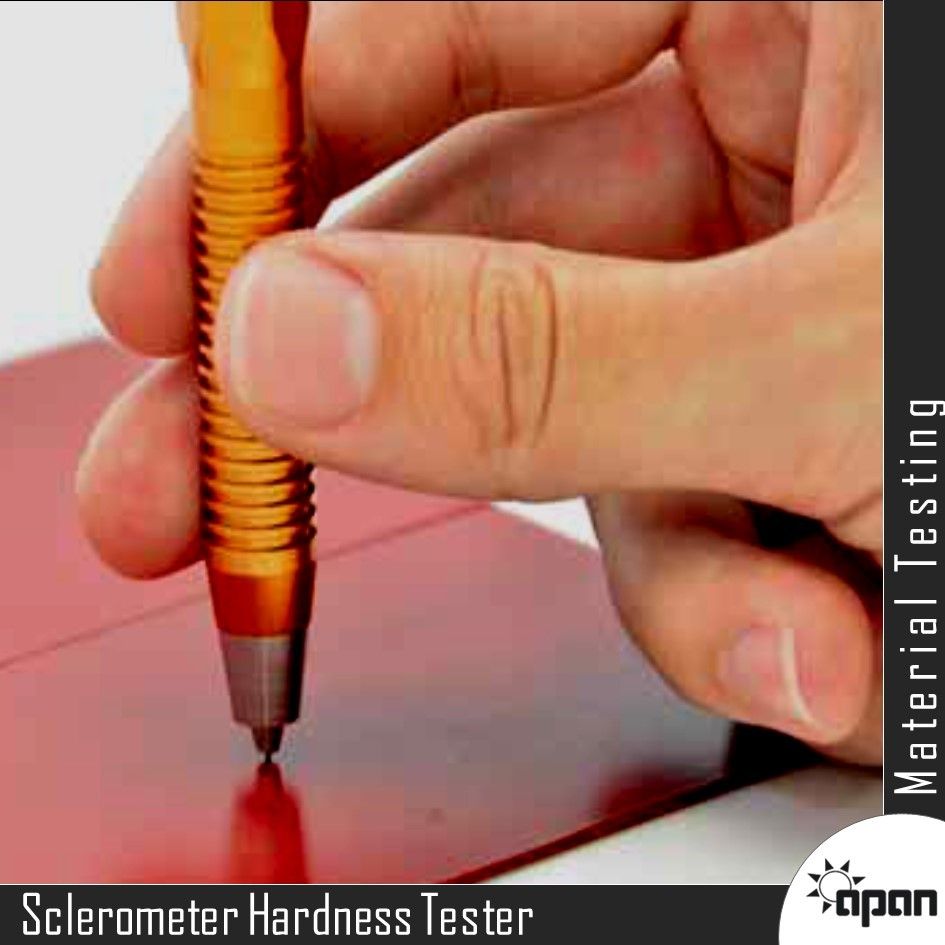
A tungsten carbide tip (diameter 0.75 or 1.00 mm) is moved across a surface with a preset force. The force is applied by means of a spring. By using different springs, the force can vary from 0 to 30 N. The sclerometer hardness is expressed in Newton (N) or as a classification based on the lowest pressure at which a scratch can be made.
TECHNICAL SPECIFICATION
Material : Anodised aluminium
Dimensions : 165 mm x 24 mm x 16 mm (6.5" x 1" x 0.6")
Weight : 370 g (13 oz)
SELECTING A SPRING
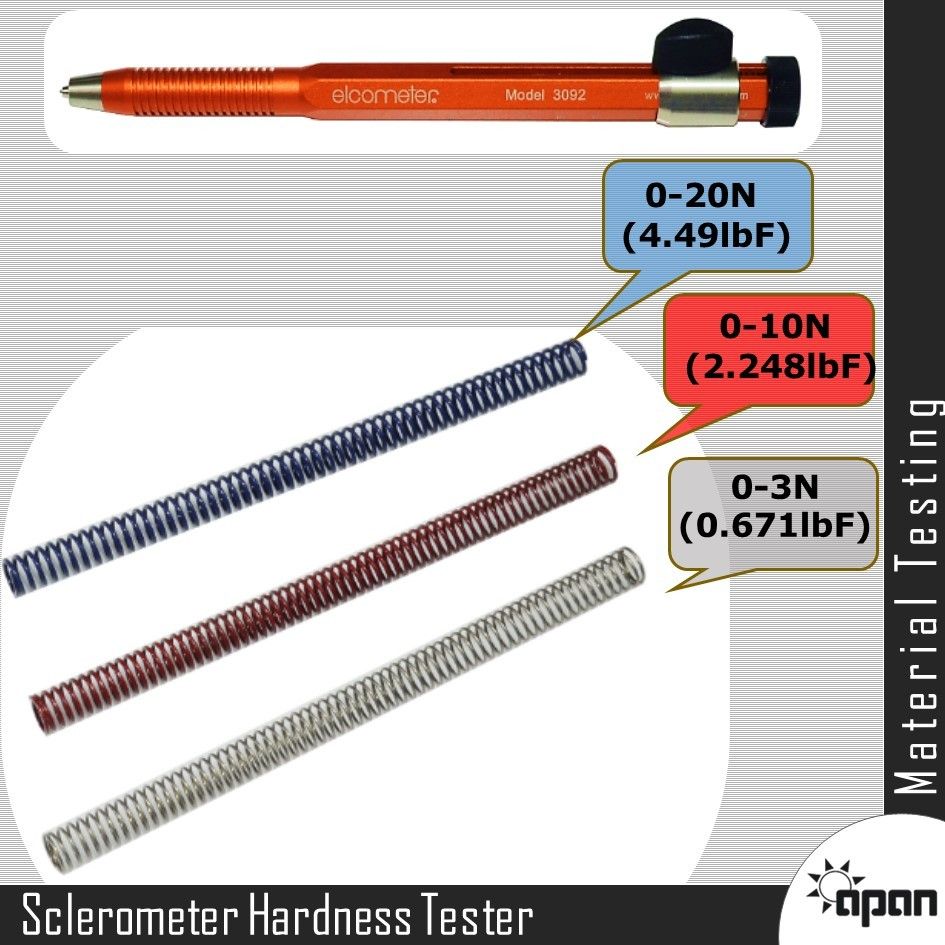
Four types of spring are available. The stiffness of each type is determined by its colour:
Spring colour Force applied by tip
Natural (no colour) : 0 N to 3 N
Red : 0 N to 10 N
Blue : 0 N to 20 N
Green : 0 N to 30 N
TOOLS
Tip Tip material Part number
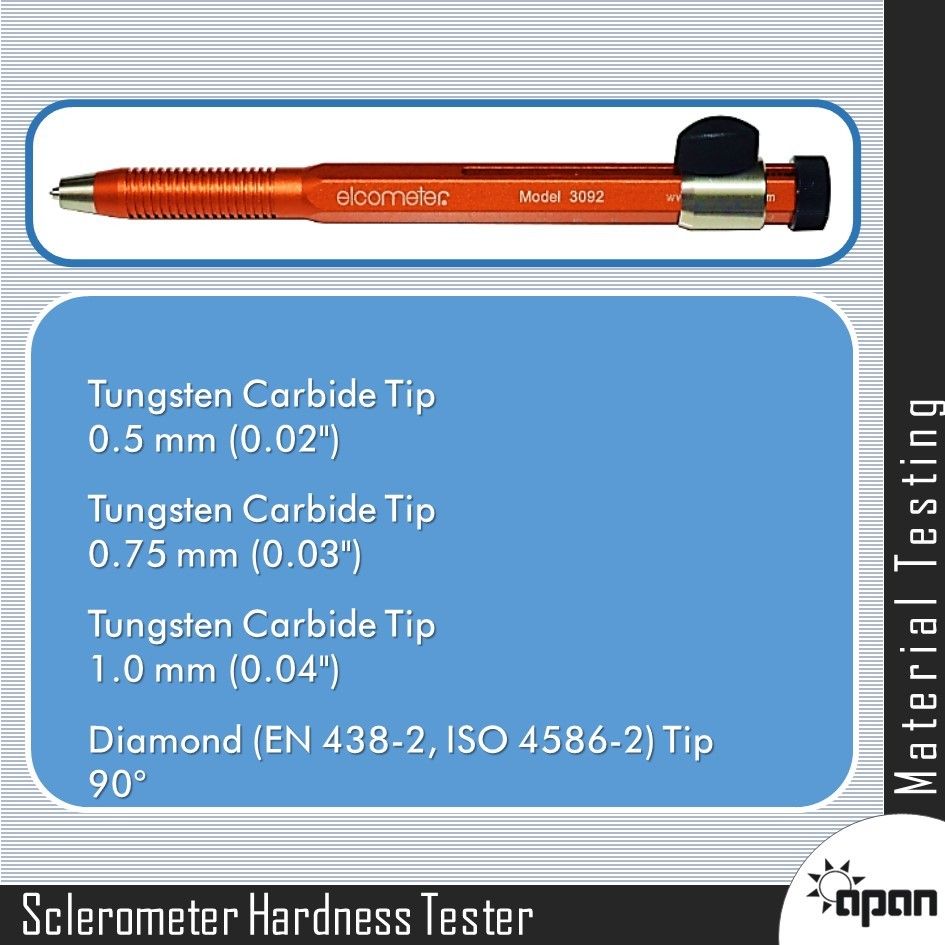
0.5 mm (0.02") Tungsten Carbide Tip
0.75 mm (0.03") Tungsten Carbide Tip
1.0 mm (0.04") Tungsten Carbide Tip
90 Diamond (EN 438-2, ISO 4586-2) Tip
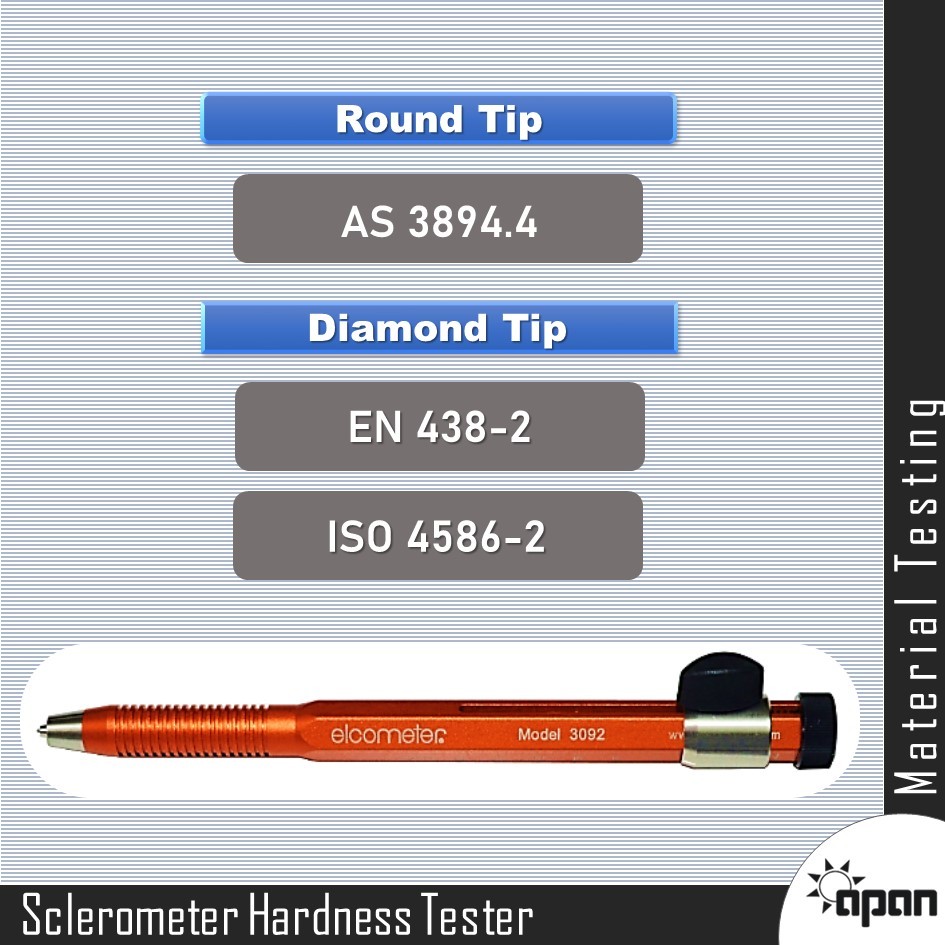
Elcometer 3092 Sclerometer Hardness Tester can be used in accordance with the following International Standards: Round tips AS 3894.4, Diamond tips EN 438-2 & ISO 4586-2.
Scope of supply
Elcometer 3092 Sclerometer Hardness Tester
Tool with 0.75 mm (0.03") diameter tungsten carbide tip
3 springs (natural, red and blue)
Carry case
Operating instructions

Price:
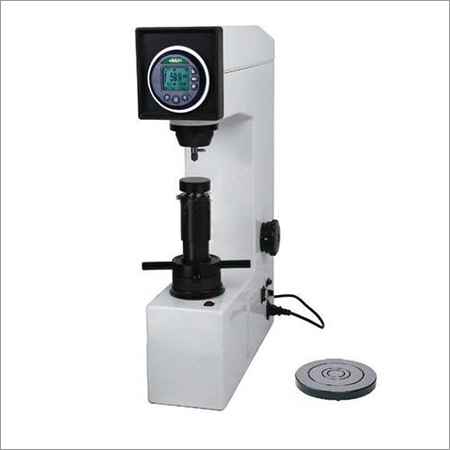
Resolution : 0.1 HR
Usage : Laboratory/industrial material hardness measurement
Temperature : 10C ~ 35C
Application : Metals, alloys, heattreated materials hardness testing
Features : Automatic loading/unloading, digital display, memory, data output
Machine Weight : 95 kg
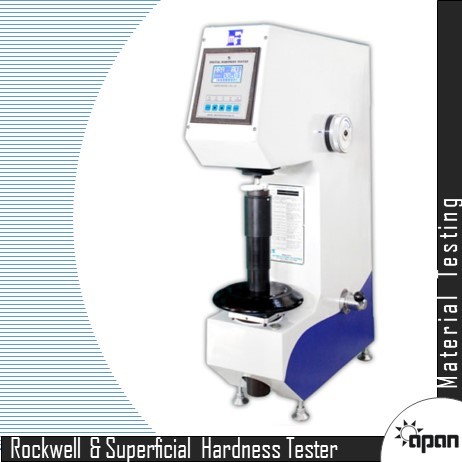
Resolution : 0.1 HR
Usage : Hardness Testing of Metals
Temperature : 10C 35C
Application : Metallurgy, Quality Control, Laboratory
Features : Digital Display, Automatic Loading/Unloading, Memory Function
Machine Weight : approx. 80 kg
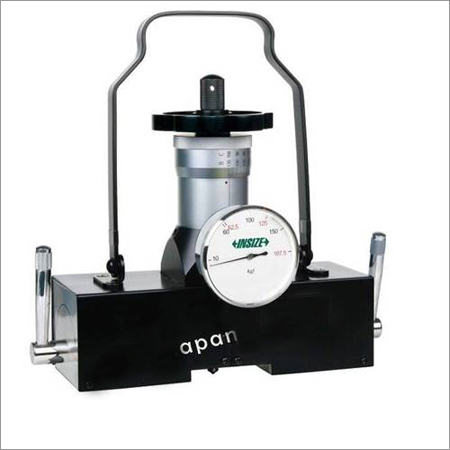
Resolution : 0.1 HR / HB
Usage : Industrial Hardness Testing
Temperature : 10C35C
Application : For testing hardness of ferrous and nonferrous metals, including large or heavy workpieces
Features : Portable, Magnetic Base, Dual Scale (Brinell & Rockwell), Robust Construction
Machine Weight : Approx. 50 kg
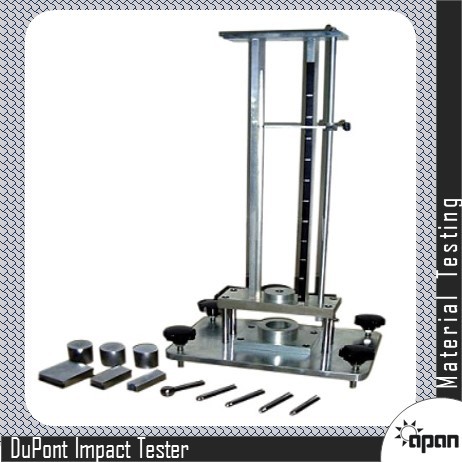
Resolution : 0.01 J
Usage : Industrial
Temperature : 10C to 40C
Application : Material Impact Strength Testing
Features : Robust Construction, High Accuracy, Easy Operation
Machine Weight : 95 kg
GST : 24AKYPB1970A1ZE


 Send Inquiry

 Send Inquiry


