About Hardness Block
Authorized Dealer
Product details
| Temperature Range | Normal |
| Material | Metal and Rubber |
| Mounting Option | Surface Test |
| Packaging Type | Box Packing |
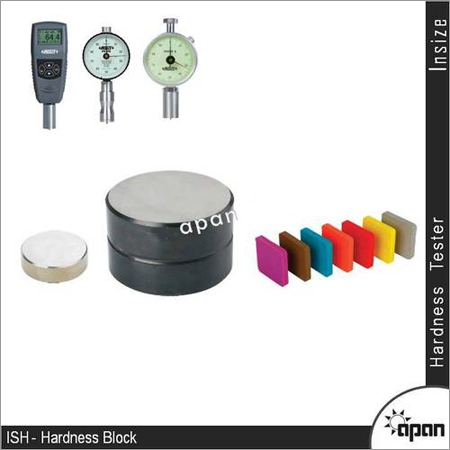
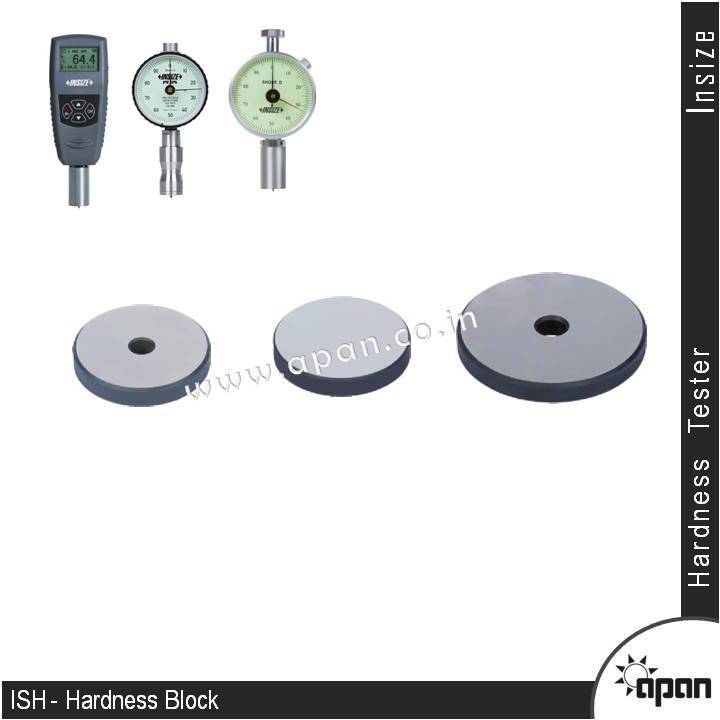
| Product Type | Hardness Test Block |
| Shape | Various shape depend hardness |
Certified Precision for CalibrationEvery Hardness Block comes with a traceable calibration certificate, ensuring reliable and repeatable results with accuracy up to 0.5 HRC and a fine resolution of 0.1 HRC. Its high stability and certified Rockwell C scale value make it a trusted choice for laboratories and industrial applications demanding utmost confidence in hardness tester calibration.
Built for Durability and IdentifiabilityDesigned from hardened steel and mirror polished, the Hardness Block offers high wear resistance and longevity, even in challenging environments. Each block is clearly distinguished by an engraved permanent serial number, facilitating traceability and inventory management for distributors, exporters, and end-users alike.
Convenient Packaging and Versatile ApplicationThe Hardness Block is delivered in a protective wooden or plastic case, safeguarding the precision surface during transport and storage. Suitable for both laboratory and industrial use, its standard dimensions and manual operation allow simple integration with any Rockwell Hardness Tester requiring certification on the C scale.
FAQs of Hardness Block:
Q: How is the Hardness Block used for calibration of Rockwell Hardness Testers?
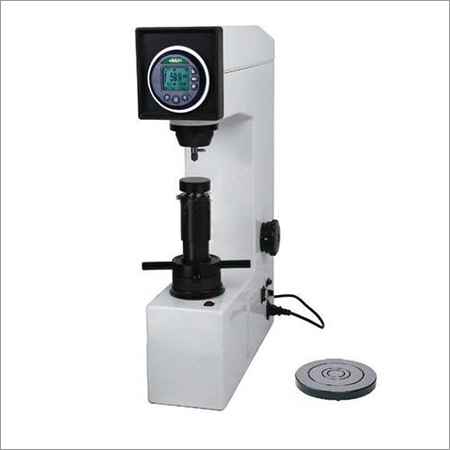
A: The Hardness Block is placed on your Rockwell Hardness Tester, and its certified value is checked against the testers readings. If the tester does not match the blocks specified HRC value (within 0.5 HRC accuracy), an adjustment or recalibration of the tester is recommended.
Q: What certificate is provided with the Hardness Block?
A: Each Hardness Block is supplied with a calibration certificate traceable to national or international standards, verifying its certified Rockwell C scale hardness value and accuracy, which supports reliable calibration and quality assurance processes.
Q: When should I use a Hardness Block for calibration?
A: It is advisable to use the Hardness Block before the start of daily testing, after any major maintenance or relocation of the hardness tester, or whenever there is a need to verify the testers accuracy and reliability.
Q: Where can the Hardness Block be used effectively?
A: This Hardness Block is suitable for laboratory environments, industrial settings, and any application where Rockwell hardness testers (C scale) are used, thanks to its manual operation and ability to withstand up to 85% RH humidity and temperatures from 0C to 50C.
Q: What is the process for storing and maintaining the Hardness Block?
A: Always store the Hardness Block in its original wooden or plastic protective case to prevent surface damage. Ensure it is kept in a clean, dry place, maintaining the high-gloss mirror finish and certified accuracy for repeated calibrations.
Q: What are the key benefits of using a certified Hardness Block?
A: Using a certified Hardness Block guarantees traceable calibration, high stability, and long-term durability. This ensures consistent tester accuracy, supports quality compliance, and reduces the risk of measurement errors in critical applications.

 Send Inquiry



 Send Inquiry

 Send Inquiry


